.
You can book for in-person attendance at Bookwhen, where you will also find the link for Zoom viewing.
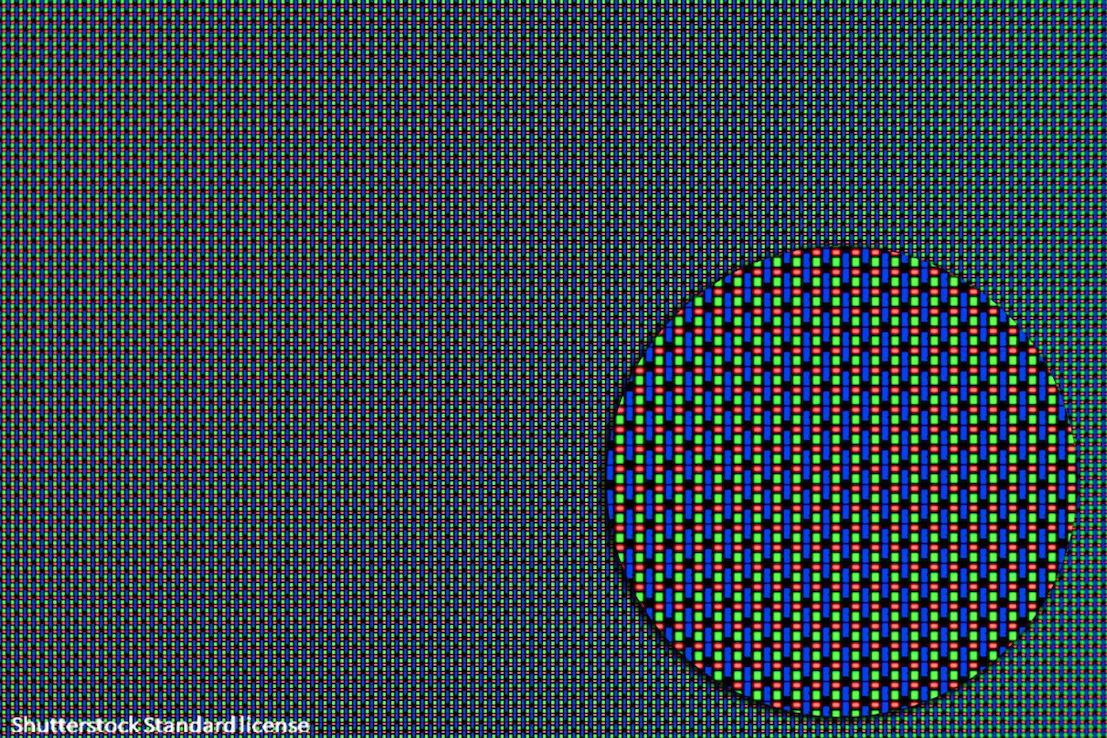
Organic molecules with semiconducting properties are now used as the light-emitting diodes, LEDs, in organic LED displays. These are now the dominant technology for the high performance displays used in smartphones and in televisions, but their potential applications are far broader, from solar cells to printable electronics and to bio-interfaces. I will describe some of the journey from early discoveries to practical display technology and I will outline some of our current research on some new phenomena that these materials can show, including their use as optically-accessed quantum sensors.
Professor Sir Richard Friend, FRS, Department of Physics, U. of Cambridge

Professor Richard Friend is in the Department of Physics. He was the Cavendish Professor of Physics from 1995 until 2020, and the Founding Director of the Maxwell Centre.
Richard’s research explores the electronic properties of novel semiconductors, currently carbon-based organic semiconductors and metal halide perovskites. We use these as the active component in range of semiconductor devices, including photovoltaic diodes, FETs, and LEDs, both to study their fundamental electronic structure and also to explore applications in display technologies and solar cells.
Richard is, of course, also the President of CSAR.
Attending lectures
Thank you for your interest in CSAR and its programme. If you would like to help us maintain our activities at their current level, you can make a donation to CSAR here, via PayPal or a bank card. Your gift will by default go into our general income fund; if you would like it to be used for a specific purpose such as the PhD Students Awards scheme, please let us know at info@csar.org.uk. CSAR is a registered charity run by volunteers.